Obesity Research Solutions
Learn about innovative tools to study the three mechanisms driving obesity: GPCR signaling, metabolic dysfunction, and chronic inflammation. We offer integrated solutions to measure each—from target engagement to biomarkers to functional outcomes.
We're here to help solve challenges in your research—just ask us!
What Mechanisms Drive Obesity and
How Do You Research Them?
Obesity is a multifaceted metabolic disease influenced by genetic, hormonal and inflammatory factors. Drug discovery efforts focus on targeting three key pathways: GPCR signaling (appetite, energy metabolism), metabolic dysfunction (glucose, lipid homeostasis), chronic inflammation. Understanding these complex mechanisms is critical for developing effective treatments that address not just weight loss, but also metabolic health and obesity-related comorbidities.
Recent advancements in metabolic and inflammatory biomarkers, functional receptor assays and myostatin inhibition are shaping the next generation of obesity therapeutics.
- GPCR Signaling: Measure ligand binding, receptor internalization, β-arrestin recruitment, and cAMP signaling for targets like GLP-1R (NanoBRET, HiBiT, NanoBiT, GloSensor)
- Energy Metabolism: Assess glucose uptake, insulin/glucagon secretion, and lipid metabolism
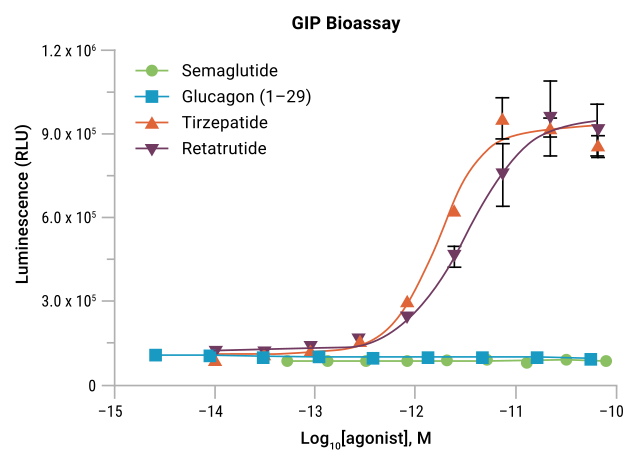
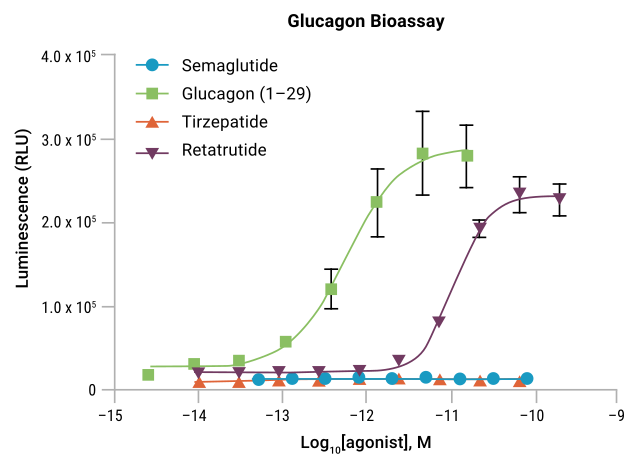
- Incretin Hormones: Evaluate GLP-1, GIP, and glucagon receptor activity for therapeutics like semaglutide and tirzepatide
- Inflammation: Quantify cytokines (TNF-α, IL-6, IL-1B) linked to metabolic dysfunction
- Myostatin: Test antibodies and ligands targeting muscle mass and energy expenditure

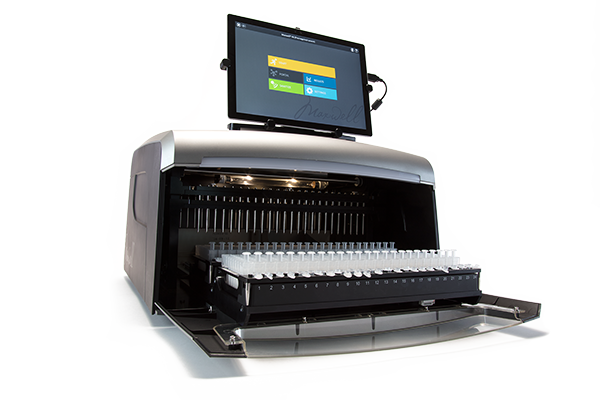
This Application Note validates RNA purification from white adipose tissue using the Maxwell® RSC simplyRNA Tissue Kit, comparing two pre-processing methods. Yield, purity and integrity were confirmed via RT-qPCR of an obesity-related target, supporting obesity and diabetes research.
Why Measure Energy Metabolism and its Regulation in Obesity Research?
Energy metabolism is central to obesity research, encompassing processes that regulate glucose and lipid homeostasis. Understanding these interconnected pathways is critical for identifying therapeutic targets that restore metabolic balance. Assays for measuring key biomarkers like insulin secretion, glucose uptake and lipid metabolism help understand the complexities of energy regulation and develop more effective obesity treatments.
Explore our extensive portfolio of sensitive bioluminescent assays for measuring metabolism.
Functional Profiling in Perifusion-Based Islet Studies
Read this article to learn how to measure both viability and metabolic activity in perifusion experiments.
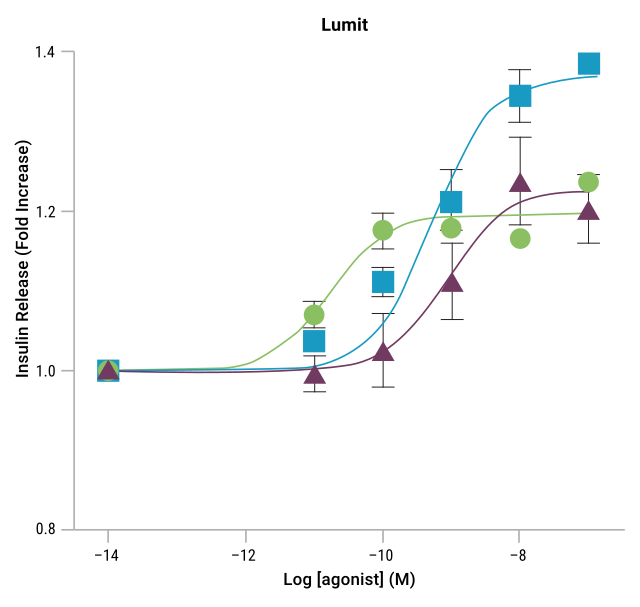
Measuring hormone levels is essential for understanding the dysregulation of glucose and lipid homeostasis in obesity, as insulin resistance is a hallmark of the disease. Our Lumit® Immunoassays for measuring insulin or glucagon are simple, no-wash luminescent assays that enable rapid and accurate analysis of secretion and signaling in obesity research.

Glucose metabolism plays a central role in obesity research, as dysregulated glucose levels and impaired uptake are key drivers of insulin resistance and metabolic dysfunction. Understanding glucose detection and uptake mechanisms provides critical insights into obesity-related conditions and potential therapeutic interventions. Our Glucose-Glo™ and Glucose Uptake-Glo™ Assays are a fast, selective and sensitive method for measuring glucose.
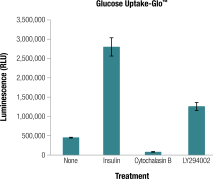
Measurement of glucose uptake in adipocyte cells treated under various conditions using Glucose Uptake-Glo™ Assay. Cytochalasin B is a glucose transporter inhibitor that decreases glucose uptake. LY294002, a phosphatidylinositol 3-kinase (PI3K) inhibitor, is an essential insulin signaling enzyme that decreases glucose uptake relative to insulin alone.
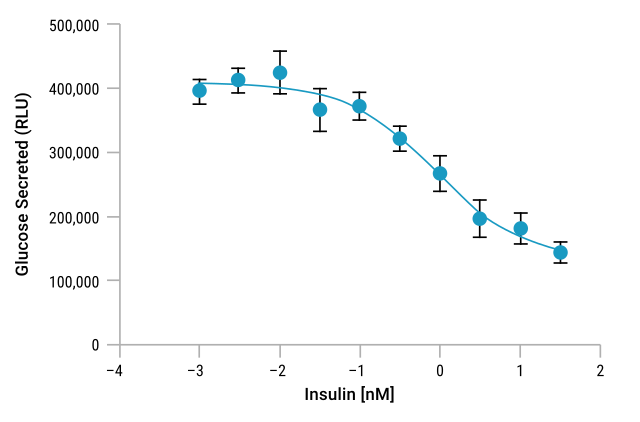
Measurement of gluconeogenesis and inhibition by insulin using Glucose-Glo™ Assay. Microtissues (InSphero) formed from 2000 iCell® Hepatocytes 2.0 (CDI) were washed and incubated with 10mM lactate, 2μM forskolin and a titration of insulin for 6 hours.
Obesity is characterized by an imbalance between lipogenesis (the process of synthesizing and storing fat) and lipolysis (the breakdown of stored lipids for energy). Dysregulation of these pathways contributes to excess fat accumulation and metabolic dysfunction. Measuring key markers of lipogenesis and lipolysis provides valuable insights into adipose tissue dynamics and helps identify potential therapeutic strategies to restore metabolic balance.

Our lipid metabolism assays provide sensitive, simple methods to measure lipolysis and lipogenesis by detecting glycerol, triglyceride, cholesterol and cholesterol esters.
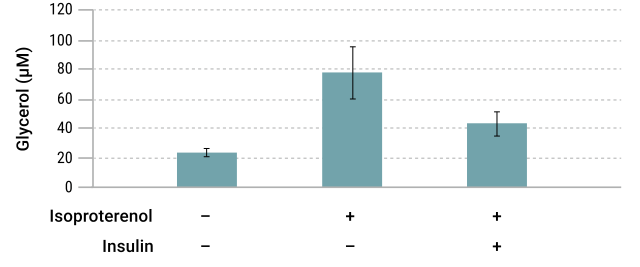
Measurement of lipolysis in response to insulin using Glycerol-Glo™ Assay. 3T3-L1 MBX adipocytes were washed and treated for 90 minutes with different combinations of isoproterenol (25nM) and insulin (150nM).
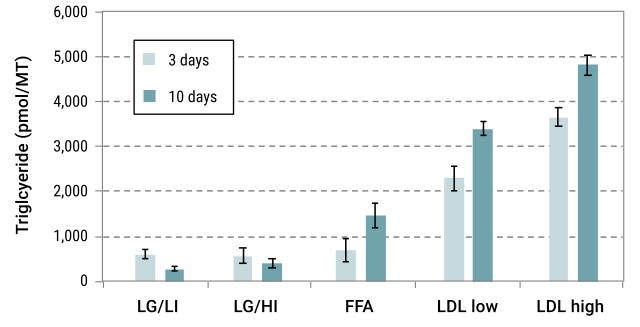
Measurement of triglyceride in 3D liver microtissues using Triglyceride-Glo™ Assay. 3D InSight Human Liver Microtissues (InSphero) were incubated with either physiological (LG/LI) or supraphysiological (LG/HI) levels of glucose and insulin and supplementation with either free fatty acids bound to BSA (FFA) or low density lipoprotein plasma fraction (LDL).
Why Are GPCRs Targets in Obesity Drug Discovery?
G protein-coupled receptors (GPCRs) play a critical role in obesity by mediating key physiological processes such as appetite regulation, energy expenditure and metabolic homeostasis. As targets for hormones like GLP-1, GPCRs are central to many obesity therapies.
Explore our comprehensive tools for GPCR research, including assays for ligand binding, protein:protein interactions, cAMP signaling, receptor internalization and gene expression.
NanoBRET® target engagement assays enable sensitive, quantitative measurement of ligand binding to GPCRs in live cells. GPCRs are HiBiT-tagged (via transient expression or CRISPR/Cas9) and paired with fluorescent ligands, producing a proximity-based signal upon binding. This approach supports evaluation of compounds targeting metabolic and obesity-related GPCR pathways under physiologically relevant conditions.
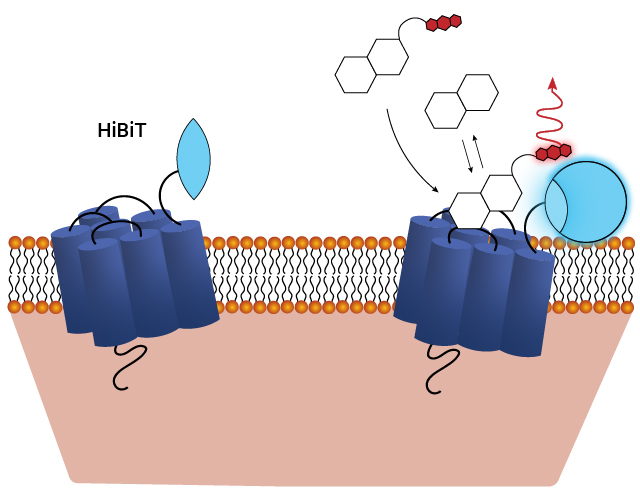
Schematic of assays utilizing the HiBiT/LgBiT reporter for monitoring ligand engagement via BRET. See details in this publication: The luminescent HiBiT peptide enables selective quantitation of G protein-coupled receptor ligand engagement and internalization in living cells.
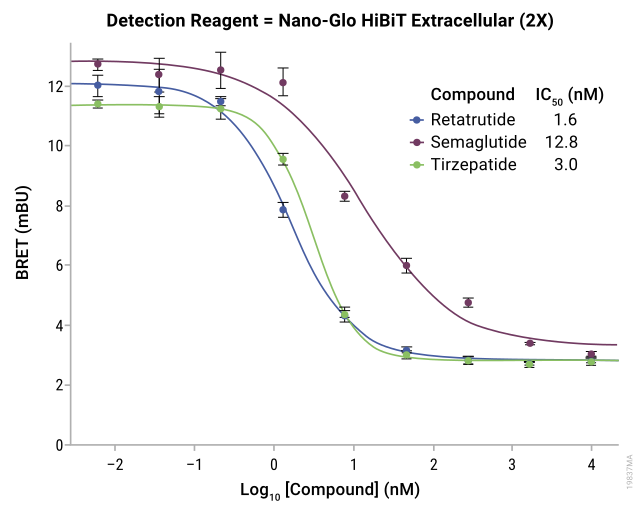
Quantifying the affinity of GLP-1R ligands using the NanoBRET® TE assay and HiBiT-tagged GLP-1R. See details in this Application Note: Detection of GLP1R Target Engagement
Tag your GPCR of interest with a small, luminescent HiBiT peptide via CRISPR gene editing. Upon agonist binding, receptor internalization can be quantified in real-time through a luminescence assay, offering a sensitive and scalable method to study receptor trafficking and signaling dynamics.
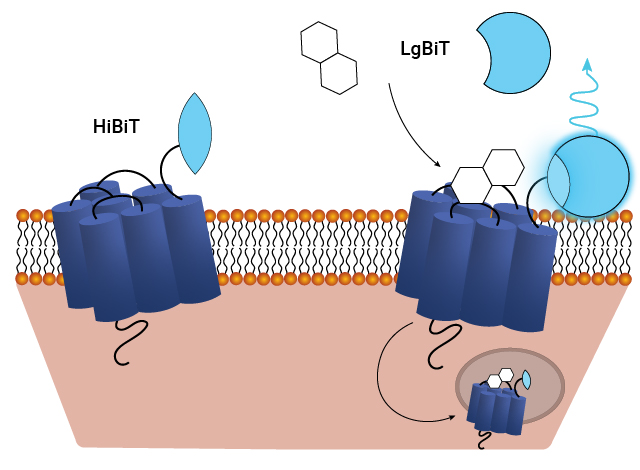
Schematic of assays utilizing the HiBiT/LgBiT reporter for monitoring ligand-induced GPCR internalization. See details in this publication: The luminescent HiBiT peptide enables selective quantitation of G protein-coupled receptor ligand engagement and internalization in living cells.
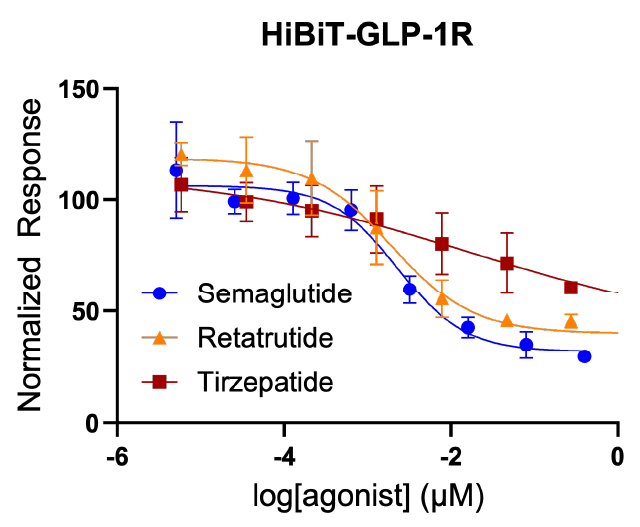
Measurement of agonist-induced internalization of HiBiT-tagged GLP-1R. See details in this poster: Advancing Therapeutic Strategies for Obesity: Innovative Bioluminescence Assays for Monitoring GPCR Dynamics
Our NanoBiT® Technology enables real-time monitoring of β-arrestin recruitment to GPCRs by fusing the receptor and β-arrestin with complementary luciferase fragments. Upon receptor activation and β-arrestin binding, the fragments reconstitute a functional luciferase enzyme, producing a luminescent signal that directly correlates with β-arrestin recruitment.
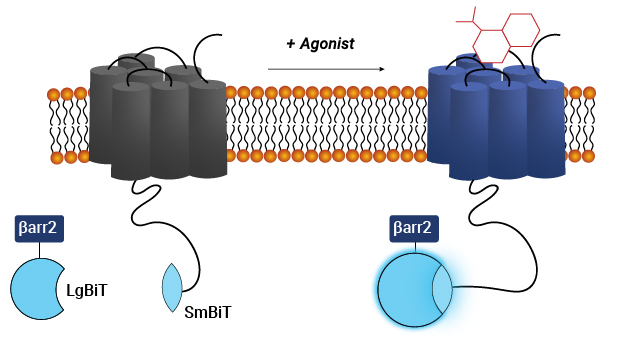
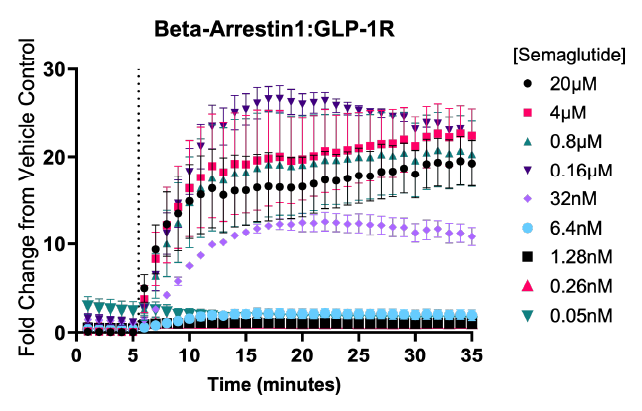
Real-time monitoring of agonist-induced β-arrestin recruitment to GLP-1R. See details in this poster: Advancing Therapeutic Strategies for Obesity: Innovative Bioluminescence Assays for Monitoring GPCR Dynamics
Our cAMP assays provide a sensitive and high-throughput solution for monitoring agonist-induced changes in intracellular cAMP levels, enabling precise characterization of GPCR signaling dynamics.
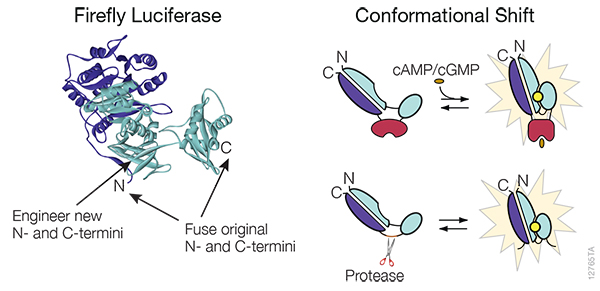
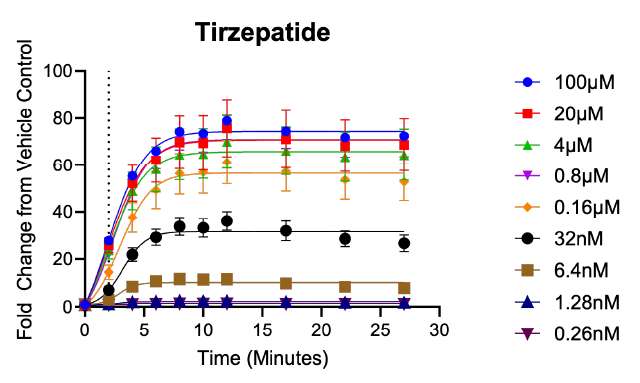
Monitoring GLP-1R agonist-induced changes in cAMP levels in real time using GloSensor™ technology. See details in this poster: Advancing Therapeutic Strategies for Obesity: Innovative Bioluminescence Assays for Monitoring GPCR Dynamics
Researcher Spotlight
Read this blog to learn how Jon Campbell’s lab at Duke University is using our technology to characterize incretin biology. See details in the publications below, including using NanoBRET® technology to measure ligand-induced Gs recruitment, Lumit® technology to quantitate insulin and glucagon and GloSensor™ technology to monitor cAMP levels.
The incretin co-agonist tirzepatide requires GIPR for hormone secretion from human islets
GLP1-mediated delivery of tesaglitazar improves glucose metabolism in mice
Why are Incretin Hormones Targets in Obesity Drug Discovery?
Hormones such as GLP-1, GIP and glucagon are key regulators of metabolism, appetite and energy balance, making them critical targets in obesity drug discovery. Measuring their activity provides valuable insights into metabolic function and therapeutic potential.
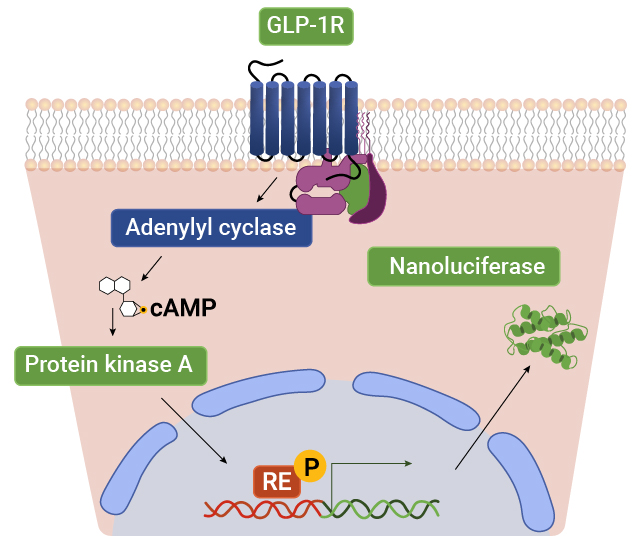
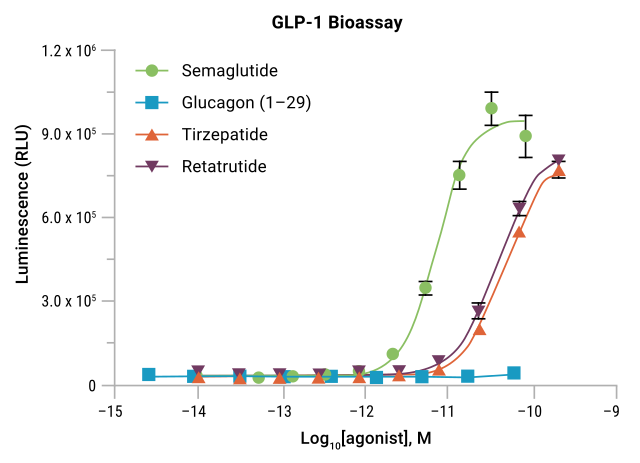
Our Incretin-Related Bioassays use engineered cells to link hormone receptor activation to a luminescent reporter, providing a sensitive and quantitative readout of receptor activity. When incretin-related hormones like GLP-1, GIP or glucagon bind to their receptors, intracellular signaling pathways trigger luciferase expression, producing a measurable signal. These assays enable researchers to assess receptor function, optimize drug candidates and explore metabolic pathways critical for obesity treatment.
Why Is Chronic Inflammation a Target in Obesity Drug Discovery?
Chronic inflammation is a key driver of metabolic dysfunction in obesity, with adipose tissue secreting cytokines like TNF-α, IL-6 and IL-1β that disrupt insulin signaling and fuel disease progression. Measuring these biomarkers is essential for understanding obesity-related inflammation and developing targeted therapies.
Lumit® Cytokine Immunoassays provide a simple, no-wash solution for quantifying key inflammatory markers like TNF-α, IL-6 and IL-1β in obesity research. These luminescent assays enable researchers to accurately measure cytokine secretion in adipose and immune cells, offering valuable insights into the role of inflammation in metabolic dysfunction.
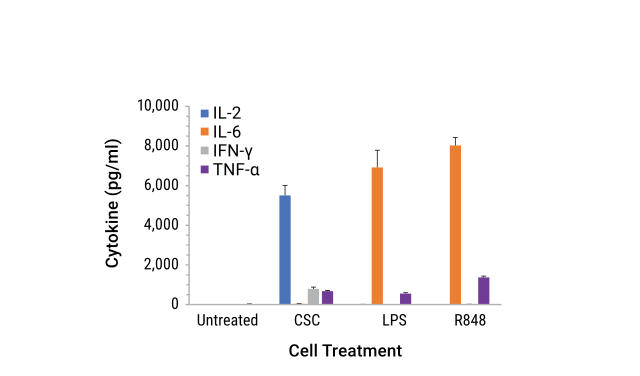
Detection of IL-2, IL-6, IFN-γ and TNF-α with the corresponding Lumit® Cytokine Immunoassay. Human PBMCs were plated in a 96-well plate in 100µl and treated for 24 hours with cell stimulation cocktail (CSC), lipopolysaccharide (LPS) or R848.
Why is Myostatin a Target in Obesity Drug Discovery?
Myostatin, a negative regulator of muscle growth, has emerged as a potential target in obesity and metabolic disease research. Inhibition of myostatin signaling may promote muscle mass, enhance energy expenditure and improve metabolic health, making it an attractive avenue for obesity therapeutics.
The Myostatin Bioassay is suitable for demonstrating activity of ligands and antibodies directed toward myostatin receptor binding.
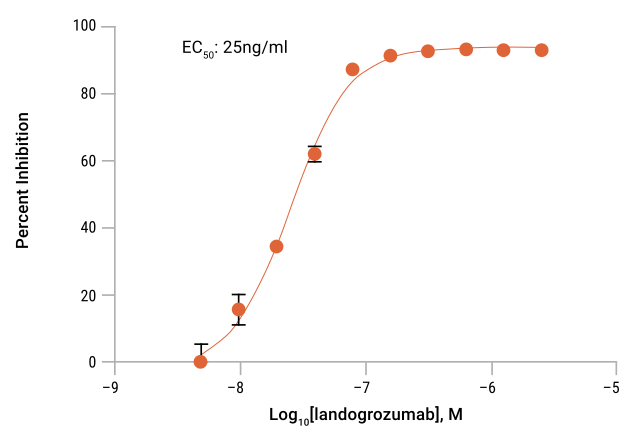
Myostatin Bioassay cells were treated with titrations of anti-myostatin blocking antibody landogrozumab in the presence of EC80 of myostatin. After 5 hours, Bio-Glo-NL™ Reagent was added, and plates were read on a GloMax® Discover Microplate Reader.
What Custom Services Can Accelerate Your Obesity Research?
Need customized tools or expert guidance to support your obesity research? Our Tailored R&D Solutions Team is here to help!
Our services include:
- Development of bioassays for receptors or hormones of interest
- GPCR functional assays (e.g., ligand binding, internalization, β-arrestin recruitment)
- Custom cytokine detection assays for studying inflammation in obesity
- High-throughput screening for GPCR modulators (e.g., agonists, antagonists, biased ligands)
- Functional screening of metabolic pathway targets (e.g., insulin signaling, lipid metabolism, energy balance)
- Cytokine profiling to assess obesity-driven inflammation
FAQ
Answers to your frequently asked questions
- G protein-coupled receptors (GPCRs) help regulate the biological processes most central to obesity, including appetite control, energy expenditure, and metabolic balance. Because many obesity-related hormones work through GPCRs, these receptors are a primary target for obesity therapeutics.
- This reflected in body-shaping agents by loss of mice that engage with semaglutide actions on the GLP-1 receptor, tirzepatide targets both the GLP-1 and GIP receptors, and retatrutide engages three receptors at once, such as GLP-1, GIP, and glucagon. Studying how these receptors respond to different ligands is key to developing more effective obesity treatments.
The right assay depends on which step of signaling you're studying:
- Ligand binding: FlexStation™ pairs a HIBIT-tagged receptor with a fluorescent ligand to measure binding directly in live cells.
- Internalization: CRISPR-based HIBIT tagging tracks receptor internalization in real time after agonist treatment.
- β-arrestin recruitment: NanoBiT™ uses receptor and β-arrestin complementary luciferase fragments, generating a signal upon recruitment.
- cAMP signaling: GloSensor™ assays monitor agonist-induced changes in intracellular cAMP.
- Overall function: Reporter bioassays link receptor activation to luciferase expression for an integrated activity readout.
Together, these cover the full cascade—from binding to downstream signaling—so you can pick the assay that fits your question.
- Insulin/glucagon secretion: Lumit® Immunoassays offer a simple, no-wash luminescent method for measuring hormone levels—used, for example, to show that GLP-1 receptor agonists stimulate insulin release.
- Glucose metabolism: Glucose-Glo™ and Glucose Uptake-Glo™ Assays measure glucose levels and cellular uptake, key indicators of insulin resistance.
- Lipid metabolism (related): Assays for glycerol, triglycerides, and cholesterol help assess the lipogenesis/lipolysis balance central to metabolic dysfunction.
Chronic inflammation is a major driver of the metabolic dysfunction seen in obesity. Adipose (fat) tissue secretes inflammatory cytokines, such as TNF-α, IL-6, and IL-1β, that interfere with insulin signaling and accelerate disease progression. Measuring these cytokines is essential for understanding obesity-related inflammation and developing targeted therapies, which is why cytokine immunoassays are a key tool in obesity research.
Obesity involves an imbalance between lipogenesis (fat storage) and lipolysis (fat breakdown), and dysregulation of these processes drives excess fat accumulation. Lipid metabolism assays measure both by detecting glycerol, triglycerides, and cholesterol. For example, the Glycerol-Glo™ Assay can be used in adipocyte models (like 3T3-L1 cells) to measure lipolysis in response to isoproterenol (stimulates) and insulin (suppresses).
Obesity and diabetes research overlap significantly because both diseases share insulin resistance as a hallmark and rely on the same incretin hormone pathways (GLP-1, GIP, glucagon). Many incretin-based therapies, like GLP-1/GIP agonists, were originally developed for type 2 diabetes before their obesity benefits were recognized, so tools and findings from one field, such as hormone and glucose metabolism assays, directly apply to the other.
Myostatin normally acts as a negative regulator of muscle growth. Inhibiting myostatin signaling may help preserve or build muscle mass, enhance energy expenditure, and improve overall metabolic health, making it a promising target for obesity treatment. This approach is being studied using bioassays that test the activity of ligands and antibodies (such as landogrozumab) directed at the myostatin receptor, complementing appetite- and metabolism-focused therapies like GLP-1 agonists.